

The First Easter Egg
What Mary Magdalene understood in the dark

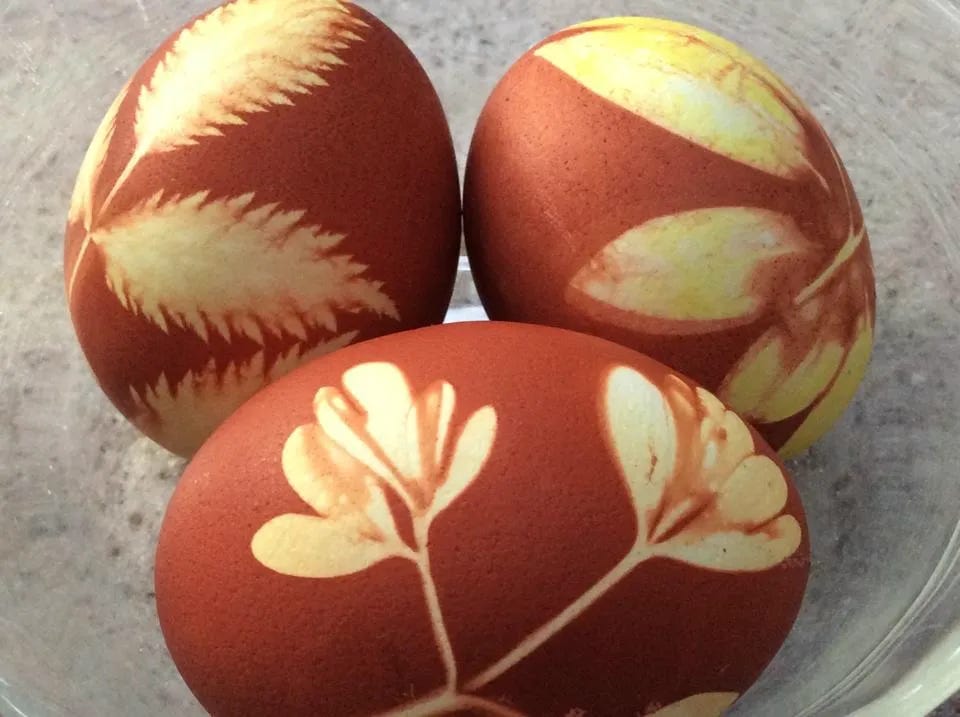
I grew up with the familiar trimmings of Easter. The candy-filled basket. The frilly dress. The egg hunt I took a little too seriously. Family ham dinner.
Everything but church.
As a child, I found Jesus on a movie screen through Jeffrey Hunter in King of Kings and on stage in Jesus Christ Superstar when I was 12. I even studied the Bible as a Pioneer Girl for a year or two.
I loved Jesus’ teachings.
And while his tale of betrayal, suffering, and conviction moved me, I could never make sense of the resurrection. Not the way the church explained it.
A loving God allowing that suffering for the salvation of mankind felt like reverse engineering, a way to make a horrific execution palatable. And yet this one story, a man returning from the dead, was to be taken as literal truth, when so much else in the Bible was metaphor.
I tried to believe it.
I just couldn’t.
Jesus spoke a truth I recognized and understood in my bones. But I couldn't call myself a Christian. Believing he died for my sins was the price of admission, and I couldn't pay it.
For years, I called myself agnostic. Then I discovered yoga, and through it, a path to the spirit I felt within my body. I had direct experience with the divine. A deep resonance touched my inner knowing.
When Meggan Watterson introduced me to Mary's gospel, she brought a through line to Jesus's teachings that made me feel like I'd come home. Like I had been right about him as a child. Like the man himself had been buried under centuries of doctrine, and someone had finally moved the stone.
The Gospel of Mary, one of the early Christian texts left out of the biblical canon, speaks of something radical. In Meggan’s reading, we are both fully human and fully divine. At the same time.
Here, the resurrection is more than a single miraculous event. It’s something we do over and over. We die to what isn’t true. We rise. Again and again.
Maybe that’s what Mary experienced in those three days after Christ’s crucifixion. Not a body literally returning, but the grief and the absence doing their work. Things became clearer in the dark. His teachings crystallized within her. The love she knew did not die with him.
I know something about that. My mother died last May. I still see her. I still hear her. She is part of my inner knowing. The ones we love don’t disappear. They become part of what we carry inside.
Maybe that’s always been the truest meaning of resurrection.
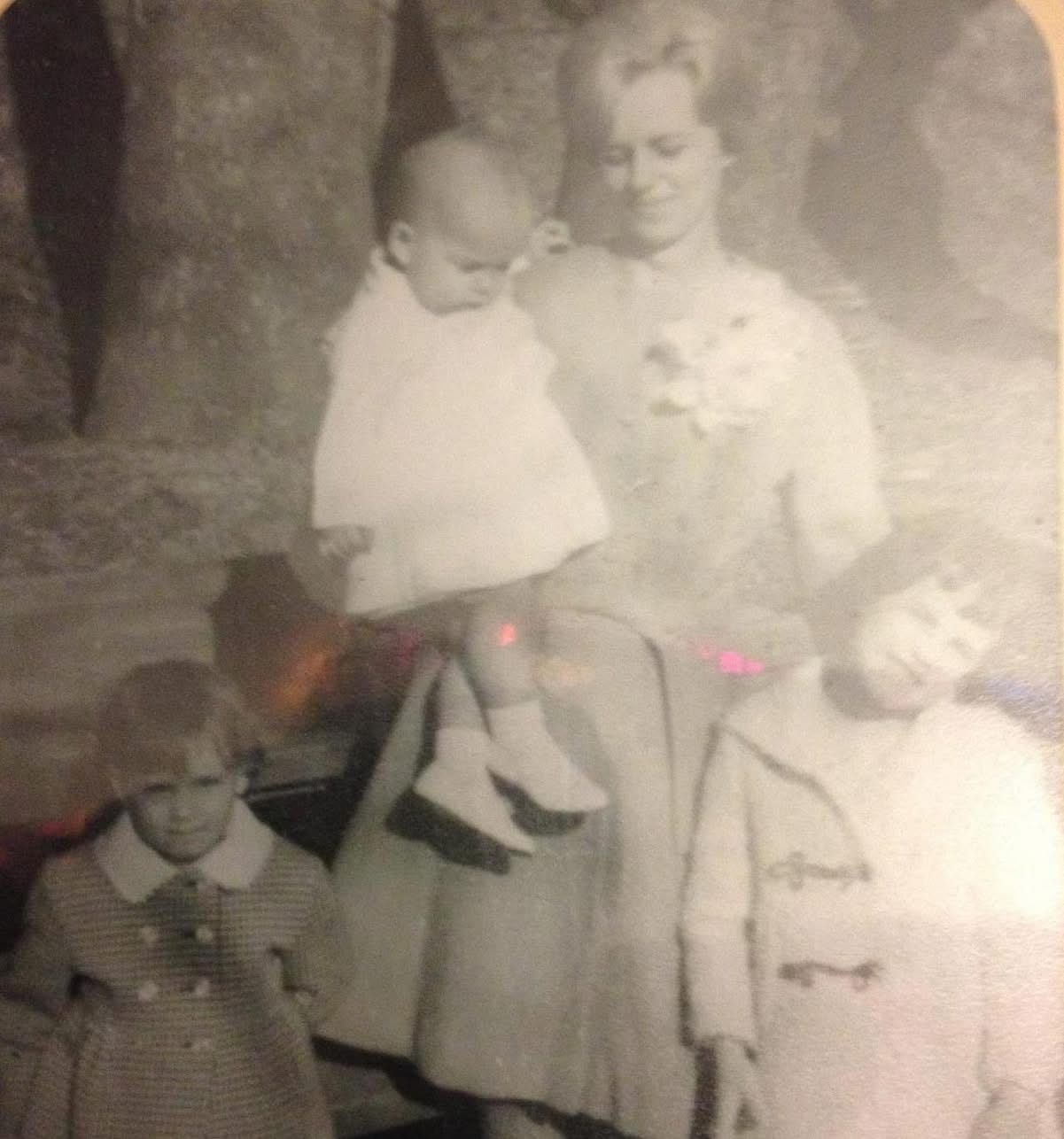
And the egg has always known it.
When Mary Magdalene stood before Emperor Tiberius, she didn’t just declare the resurrection. She held up an egg to explain it. As if to say: you want a miracle? Here is one. Everything needed for an entirely new life, sealed inside a fragile shell. In the dark. Waiting. No supernatural intervention required.
The Emperor scoffed anyway. The resurrection was as likely, he said, as that egg turning red. But then it did.
I don’t need the egg to have turned red. The teaching was already in her hand before the miracle happened. We don't need to look for wonders. The egg is already one.
Resurrection, in this tradition, asks something of us. Like the egg, the willingness to descend into grief, into doubt, into the darkest and most honest places inside ourselves, and the faith that we will rise.
Mary stayed at the tomb when everyone else fled. That’s the whole teaching.
That’s the resurrection I can believe in.
Happy Easter.